
Rats are a common problem for homeowners across the UK, and Wolverhampton is no exception. These pests not only cause structural damage to homes but can also spread serious diseases. If you’re hearing scratching noises in your walls or spotting droppings around your property, you could be dealing with a rat infestation. But which types of rats are most likely to invade homes in Wolverhampton?
Let’s take a closer look at the two most common types of rats that cause problems for local residents—and what you can do about them.
1. Brown Rats (Rattus norvegicus) – Also Known as the Common Rat
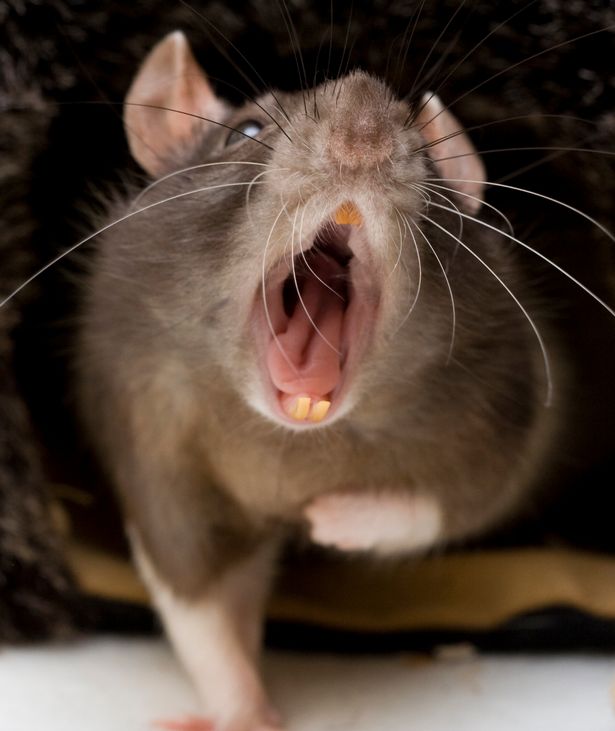
The brown rat, also called the common or Norway rat, is the most widespread species across the UK and the primary culprit in Wolverhampton households.
Key Facts:
- Size: 20–25 cm long, with a tail almost as long as the body.
- Colour: Brown or grey fur with a lighter underside.
- Habitat: Drains, basements, sheds, compost heaps, and lofts.
- Behaviour: Brown rats are excellent burrowers and often enter homes in search of food, warmth, and shelter.
Why They’re a Problem:
Brown rats can chew through wires, wood, and even pipes, posing fire and flood risks. They’re also known to spread diseases like leptospirosis, salmonella, and hantavirus.
2. Black Rats (Rattus rattus) – The Roof Rat
Though far less common than the brown rat, black rats can still occasionally be found in Wolverhampton, particularly in older buildings or areas close to food storage facilities.
Key Facts:
- Size: Slightly smaller and slimmer than the brown rat.
- Colour: Dark grey to black fur, with a longer tail.
- Habitat: Higher locations such as attics, lofts, and wall cavities.
- Behaviour: Black rats are excellent climbers and often gain access to homes via rooftops, hence the nickname “roof rat.”
Why They’re a Problem:
Despite being less common, black rats are still dangerous. Like their brown cousins, they’re capable of spreading disease and contaminating food sources.
Signs of a Rat Infestation in Your Wolverhampton Home
Whether it’s a brown rat or a black rat, you should act fast if you notice:
- Scratching or scurrying noises in walls or ceilings
- Droppings in cupboards or along skirting boards
- Chewed wires, pipes, or insulation
- Greasy rub marks along walls or furniture
- A strong, musky odour
How to Deal With Rats in Wolverhampton
Professional pest control is often the most effective way to deal with rats. Wolverhampton homeowners should:
- Seal entry points: Check for gaps around pipes, vents, and doors.
- Keep food sealed: Store food in airtight containers and clean up crumbs.
- Clear clutter: Rats love nesting in undisturbed areas like sheds or lofts.
- Fix leaks: Rats are drawn to water sources, especially in kitchens and bathrooms.
For serious infestations, it’s best to contact a licensed pest control service in Wolverhampton. They can identify the rat species and apply targeted treatment to get your home rat-free quickly and safely.
Final Thoughts
Both brown and black rats can cause significant problems for homeowners in Wolverhampton. Knowing which species you’re dealing with can help you tackle the issue more effectively. If you’re unsure, always consult a local pest expert for advice and treatment options.
Need help with rats in Wolverhampton?
Don’t wait for the problem to get worse—contact a trusted pest control specialist in your area today and reclaim your home from unwanted guests.
Get a Free Quote with No Call Out Charge from https://anti-pest-co-uk.stackstaging.com