
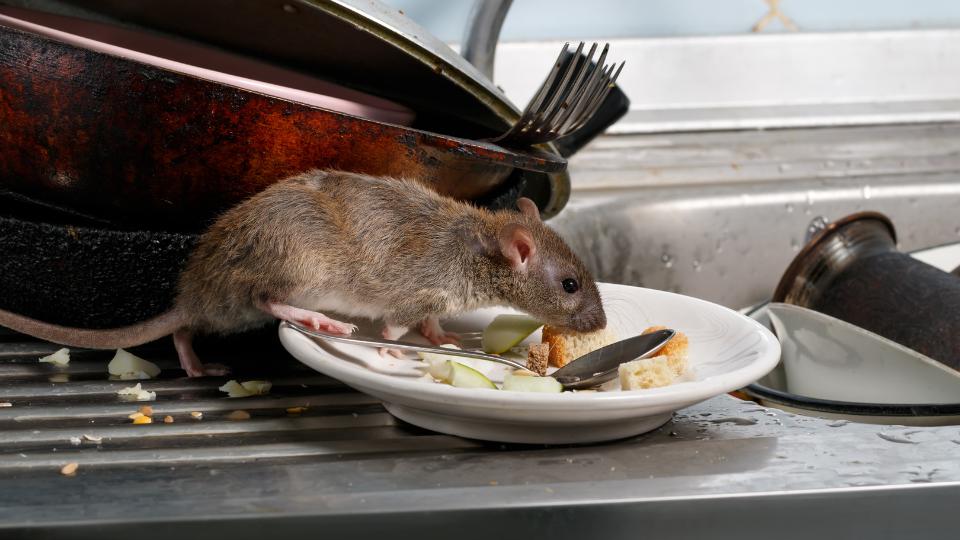
In the UK, food manufacturing companies must follow strict pest control regulations to comply with food safety laws such as the Food Safety Act 1990 and the Food Hygiene Regulations 2006. Here’s how they typically manage pest control:
1. Compliance with Regulations
- Companies must comply with Food Standards Agency (FSA) guidelines and British Retail Consortium (BRC) Global Standard for Food Safety.
- The Environmental Health Officers (EHOs) conduct inspections to ensure compliance.
- HACCP (Hazard Analysis and Critical Control Points) requires companies to identify and manage pest risks.
2. Pest Prevention Strategies
- Sealing Entry Points: Fixing gaps in walls, doors, and windows.
- Waste Management: Proper disposal of food waste to avoid attracting pests.
- Regular Cleaning: Keeping facilities clean to remove food residues.
- Proper Storage: Keeping raw materials in sealed, pest-proof containers.
3. Pest Monitoring and Detection
- Routine Inspections: Regular pest monitoring using traps and visual checks.
- Electronic Monitoring: Some factories use remote monitoring systems to track pest activity.
- Pest Identification: Identifying species to determine the best control method.
4. Pest Control Measures
- Use of Non-Toxic Methods: Glue traps, pheromone traps, and heat treatments.
- Chemical Controls: Pesticides are used only if necessary, following legal guidelines.
- Professional Pest Control Services: Most manufacturers hire accredited pest control companies (British Pest Control Association – BPCA members).
5. Documentation and Audits
- Keeping detailed pest control records for audits.
- Reviewing pest control plans during internal and external audits.
To get more details on specific pests and threats like Rats, Mice, Insects, Pigeons etc, call Anti-Pest in Wolverhampton for a Free Site Inspection.